

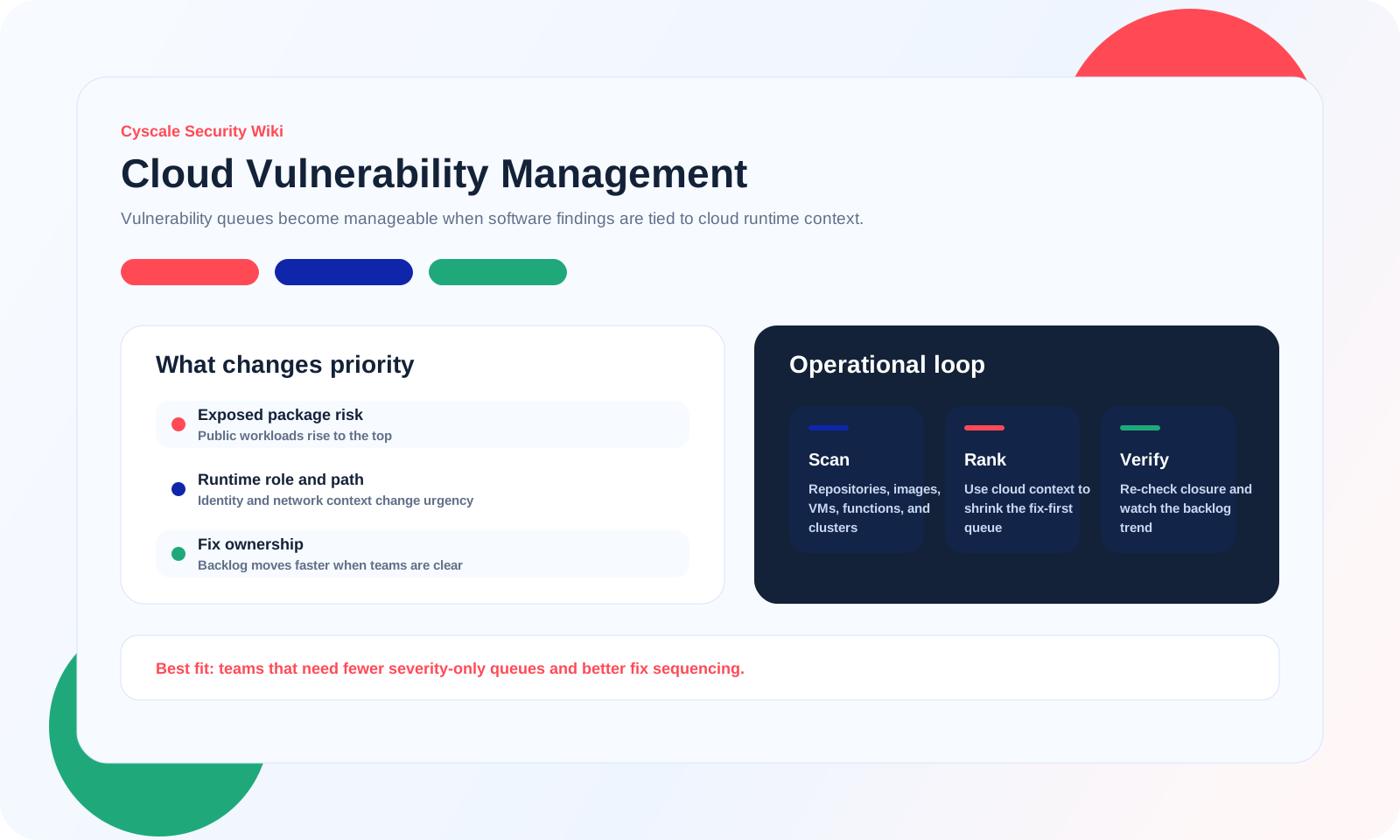
Traditional vulnerability programs drown teams in severity-only queues. In cloud-native systems, exploitability depends on exposure, identities, and workload criticality.
Modern programs combine SCA, SAST, IaC, secret, malware, and outdated package checks with runtime context to drive faster remediation and lower operational noise.
Key questions to ask
- -Can the platform scan repositories, containers, VMs, Kubernetes, and cloud functions?
- -Does prioritization include exploitability and network/identity exposure context?
- -Can teams enforce SLAs and prove remediation velocity over time?
- -Is SBOM generation and continuous dependency tracking part of the workflow?
How Cyscale operationalizes this
- -Cyscale supports SBOM-based scanning and code-to-cloud vulnerability correlation.
- -Scanning supports short-lived container workflows and modern release cycles.
- -Findings are normalized and prioritized to reduce noise and improve fix rates.
FAQ
Why is CVSS-only prioritization not enough?
Severity alone does not show if a vulnerability is reachable in your environment. Contextual prioritization combines severity with exposure and identity risk.
Can vulnerability management be automated without losing control?
Yes. Effective programs automate detection and prioritization while preserving clear ownership, review checkpoints, and remediation audit trails.


