

Platform
ASPM and Code Scanning
Help AppSec and engineering teams spend less time debating scanner output and more time fixing code issues that are deployed, reachable, and tied to real cloud risk.
- Bring SCA, SAST, and DAST into one practical workflow.
- Reduce noisy code-security queues with runtime and cloud context.
- Help engineering fix what is deployed, exposed, and important.
Operational risk view
One workflow for SCA, SAST, DAST, and cloud context

Connect repository findings to deployed workloads, runtime exposure, and ownership so application security becomes easier to triage and easier to remediate.
1 operating view
for code, dependency, dynamic testing, and cloud runtime signals
Less triage noise
when static findings are filtered through deployment and exposure context
Faster handoff
from security finding to service owner, affected workload, and remediation path
What teams get from this platform capability
ASPM is valuable when it helps teams understand what matters in production, not when it creates a larger pile of disconnected findings. Cyscale keeps the workflow grounded in deployed risk.
Unified code-security context
Correlate static, dynamic, dependency, secret, and artifact findings instead of leaving them trapped in separate tools and teams.
ExampleA vulnerable dependency, SAST finding, and exposed endpoint all affect the same service. Cyscale groups the evidence so AppSec can hand engineering one clear priority.
Cloud-aware prioritization
See which code-security issues affect workloads that are running, exposed, or tied to sensitive services.
ExampleA SAST issue in a test utility stays low priority, while the same class of issue in a public production API moves into the remediation queue.
Remediation that scales
Give engineering teams clearer ownership, less noise, and better fix prioritization across fast-moving release cycles.
ExampleThe ticket includes repository, package, affected workload, exposed path, owner, and recommended fix order instead of a screenshot from a scanner.
What you should expect
What you should expect from ASPM and code scanning
If you are investing in ASPM, you should expect one layer that unifies findings, adds runtime relevance, and keeps engineering focused on the small set of issues that can materially affect production systems.
You should expect
Unify scan streams
SCA, SAST, DAST, secrets, and artifact findings should roll up into one workflow instead of being triaged in separate silos.
You should expect
Prioritize with runtime evidence
Your team should be able to rank code findings by deployment, exposure, and service importance rather than by severity score alone.
With Cyscale
Graph-powered context
Cyscale release work on knowledge-graph context, computed properties, and reachability analysis helps teams connect code findings to what actually matters in cloud runtime.
ASPM operating model
A familiar application-security flow from finding to owner
Effective ASPM helps teams move from finding to owner quickly: gather findings, normalize them, prioritize by deployment reality, and hand engineering clear work. Cyscale uses that flow with cloud context built in.
Bring scanner streams together
Collect SCA, SAST, DAST, secrets, artifact, and runtime findings so teams stop comparing separate queues manually.
ExampleA dependency alert and a DAST issue are linked because they affect the same externally reachable API.
Connect code to services
Map repositories, packages, images, workloads, APIs, and cloud assets so AppSec can see where a finding is actually deployed.
ExampleA SAST finding is tied to the service, Kubernetes workload, and cloud account where that code runs.
Prioritize by runtime evidence
Raise findings that affect exposed, sensitive, or business-critical services and lower findings with limited runtime relevance.
ExampleA scanner-critical issue in an inactive branch is deferred while a reachable flaw in a public API is escalated.
Give engineering a fix path
Package the evidence into owner-ready remediation work with affected service, repository, workload, exposure, and fix context.
ExampleEngineering receives one actionable issue instead of separate SCA, SAST, and cloud posture tickets for the same service.
Unified visibility
See SCA, SAST, and DAST in the same operational flow
Application security posture management is most useful when teams can stop comparing separate dashboards and instead understand whether a finding affects software that is actually shipping and actually running.
Cyscale helps unify code, dependency, and runtime validation signals so security leaders can explain risk clearly and engineering teams can act without losing time in tool translation.
- Bring together package, code, and dynamic testing findings in one view.
- Understand which findings matter for live workloads and exposed APIs.
- Reduce the friction between AppSec, cloud, and engineering teams.
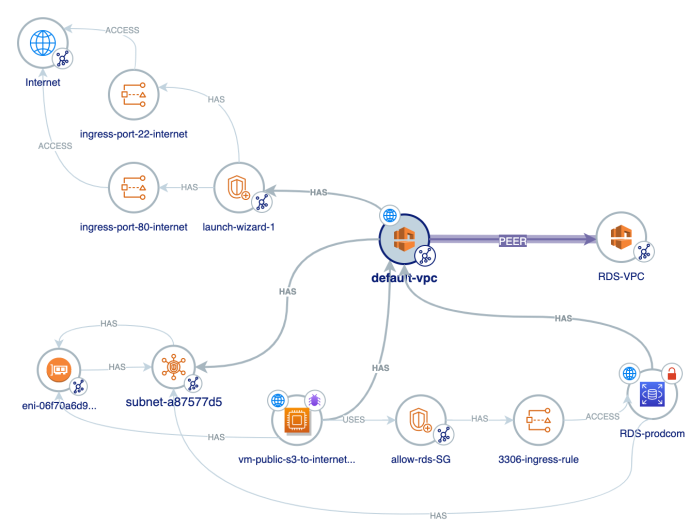
Use graph context to understand how a code or package issue connects to workloads, identities, and runtime paths across the cloud estate.
Prioritization
Make code scanning actionable instead of noisy
You should expect your AppSec platform to help with triage, not just detection. That means understanding which code findings are deployed, which ones touch exposed services, and which ones can wait.
Cyscale applies cloud and runtime context so teams can reduce noisy backlogs, create defensible priorities, and move faster without slowing releases.
- Focus on findings that affect exposed or critical services first.
- Give engineering clear reasons for urgency and clear paths to remediation.
- Keep reporting aligned with real production risk instead of scan volume.

Better prioritization helps teams turn large scan outputs into smaller, more useful remediation plans that engineering can work through consistently.
How teams use Cyscale for ASPM
The workflow is practical: collect the signals, add context, and make remediation decisions based on live cloud impact.
Step 1
Unify code-security signals
Bring together application and dependency findings from multiple stages of the delivery lifecycle.
Step 2
Add deployment and cloud context
See which findings affect software that is live, reachable, or tied to important cloud assets.
Step 3
Prioritize and remediate
Help engineering teams fix the highest-value issues first and reduce security backlog without slowing releases.
ASPM with runtime evidence
Make code scanning easier to prioritize and easier to fix
Cyscale gives AppSec, cloud security, and engineering teams one workflow for code findings, deployed workloads, exposed services, and remediation ownership.
- Bring SCA, SAST, DAST, secrets, and artifact findings into a shared flow.
- Show which findings are actually deployed, reachable, or tied to sensitive services.
- Route fewer, better issues to engineering with the context needed to close them.
Connect ASPM to runtime and AI security context
ASPM is more useful when code findings, vulnerability management, secrets, unsupported software, and AI-related packages all connect to deployed cloud risk.
FAQ
Does Cyscale replace SCA, SAST, and DAST tools?
Cyscale helps operationalize those findings with cloud and deployment context so teams can prioritize and remediate them more effectively.
Why is ASPM valuable for cloud security teams?
Because many code findings only become urgent when teams know they affect exposed workloads or important services in the cloud.
Can ASPM reduce developer fatigue?
Yes. Better prioritization and context help teams focus on fewer, more meaningful issues instead of large noisy queues.


