

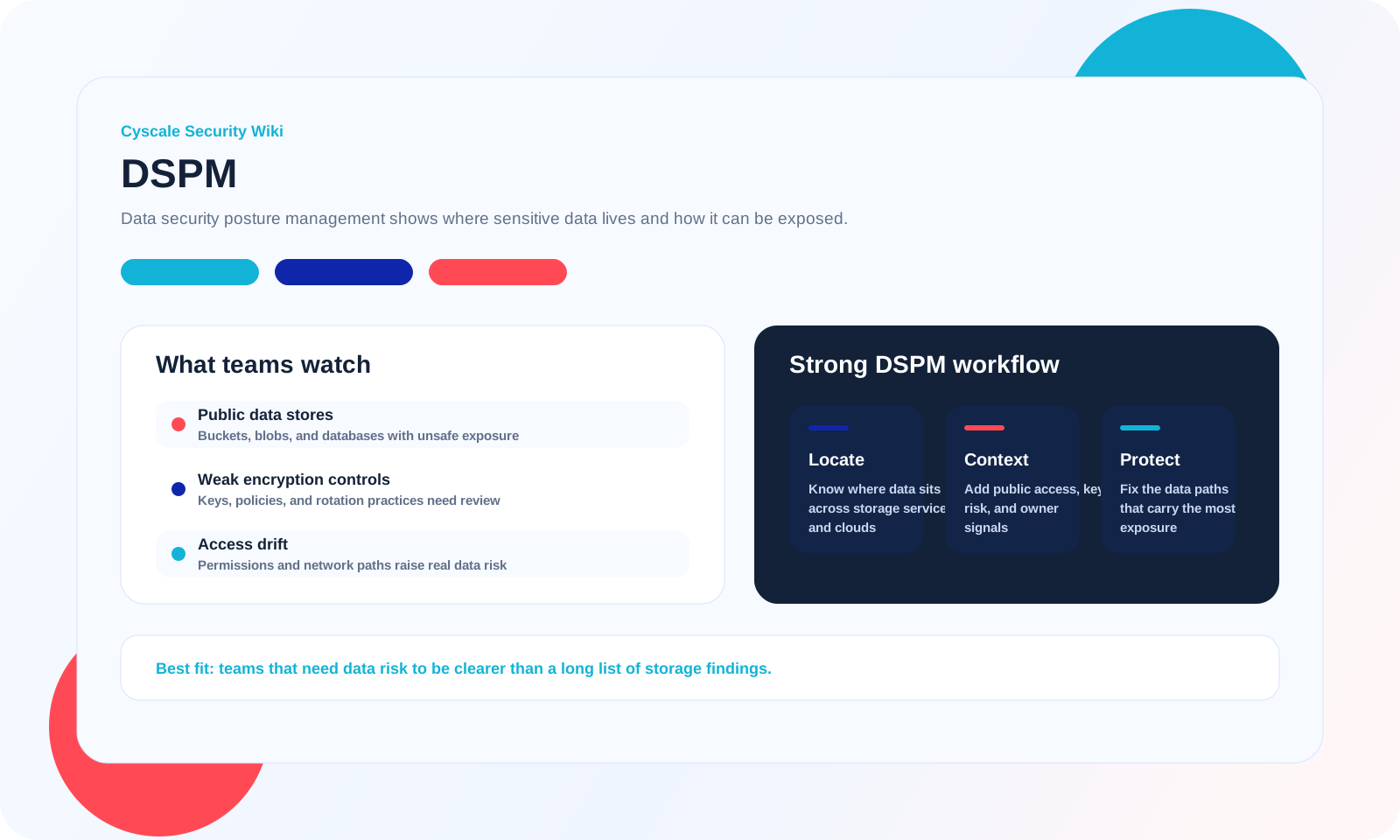
Cloud data risk is not just about storage misconfiguration. It is the combination of data sensitivity, access pathways, and workload exposure that determines impact.
DSPM programs should help teams discover sensitive data stores, validate control coverage, and continuously monitor for drift or risky access patterns.
Key questions to ask
- -Can the platform locate sensitive data assets across cloud services?
- -Does it connect data exposure with IAM, network, and workload context?
- -Can teams prioritize data risk by business impact and compliance obligations?
- -Is remediation evidence tracked for governance and audits?
How Cyscale operationalizes this
- -Cyscale integrates data posture with broader CNAPP context for better risk prioritization.
- -Teams can link data findings to identity, posture, and vulnerability workflows.
- -Compliance and security leaders can report on data protection progress continuously.
FAQ
How is DSPM different from DLP?
DSPM maps data exposure and control posture in cloud environments, while DLP focuses on preventing sensitive data movement or exfiltration events.
Can DSPM support audit-readiness?
Yes. DSPM contributes evidence about data location, access governance, and control effectiveness over time.


