

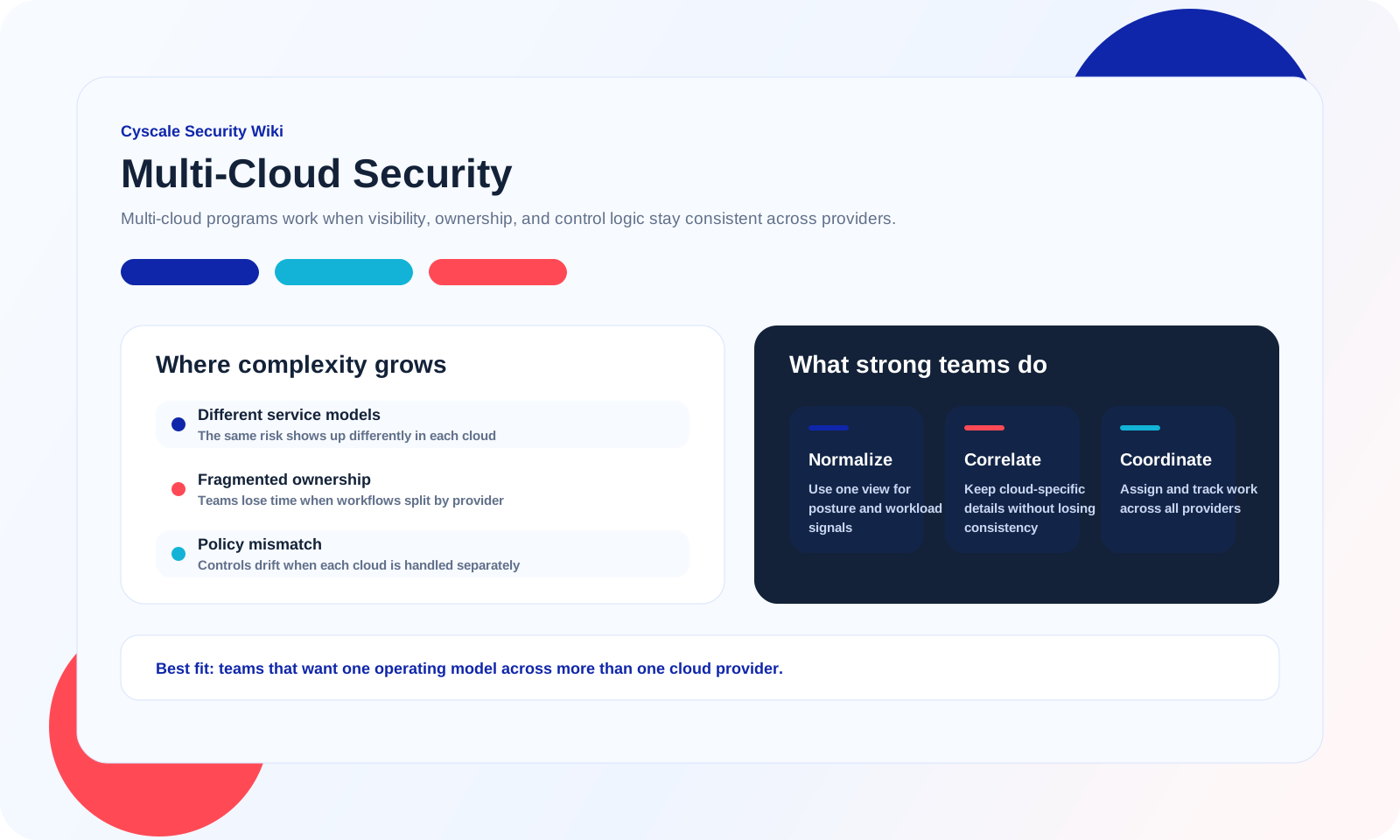
Multi-cloud programs often suffer from fragmented visibility and inconsistent control coverage. Teams lose time normalizing findings instead of reducing risk.
A unified operating model helps security teams compare risk consistently, assign ownership clearly, and show progress across the full cloud estate.
Key questions to ask
- -Can teams normalize risk findings across AWS, Azure, and Google Cloud?
- -Is remediation ownership consistent regardless of cloud provider?
- -Can leadership see one consolidated cloud-risk posture report?
- -Can platform controls scale to new accounts and services quickly?
How Cyscale operationalizes this
- -Cyscale supports multi-cloud posture, vulnerability, and identity risk operations in one platform.
- -Finding prioritization is consistent across providers and workload types.
- -Security leaders can report program effectiveness with one shared risk model.
FAQ
Is multi-cloud security always more expensive?
It can be, if teams use separate tools and workflows per provider. Unified platforms help control cost and reduce operational duplication.
Can one policy model work across providers?
Yes, when controls are normalized and mapped consistently while accounting for provider-specific service differences.


